September 2025: Campus Health & Wellbeing is expanding their hours. But the changes may not be the best for students, union says
Campus health care providers worry that the new Tuesday evening hours and Sunday telehealth offerings will not benefit students as intended
Campus Health & Wellbeing is offering expanded hours at the Health Center starting today. Students will now have access to in-person appointments with a physician Tuesdays until 7:00 p.m. and on Sundays via phone from 10 a.m. to 4:30 p.m. But campus health care providers say this may not be the best for students.
“The idea of expanding hours is not necessarily a bad idea,” said Spencer Davison, a representative for the Union of American Physicians and Dentists. “As a union, we want to make sure that patients have access to care. But having access to care and having access to adequate care are two very different things.”
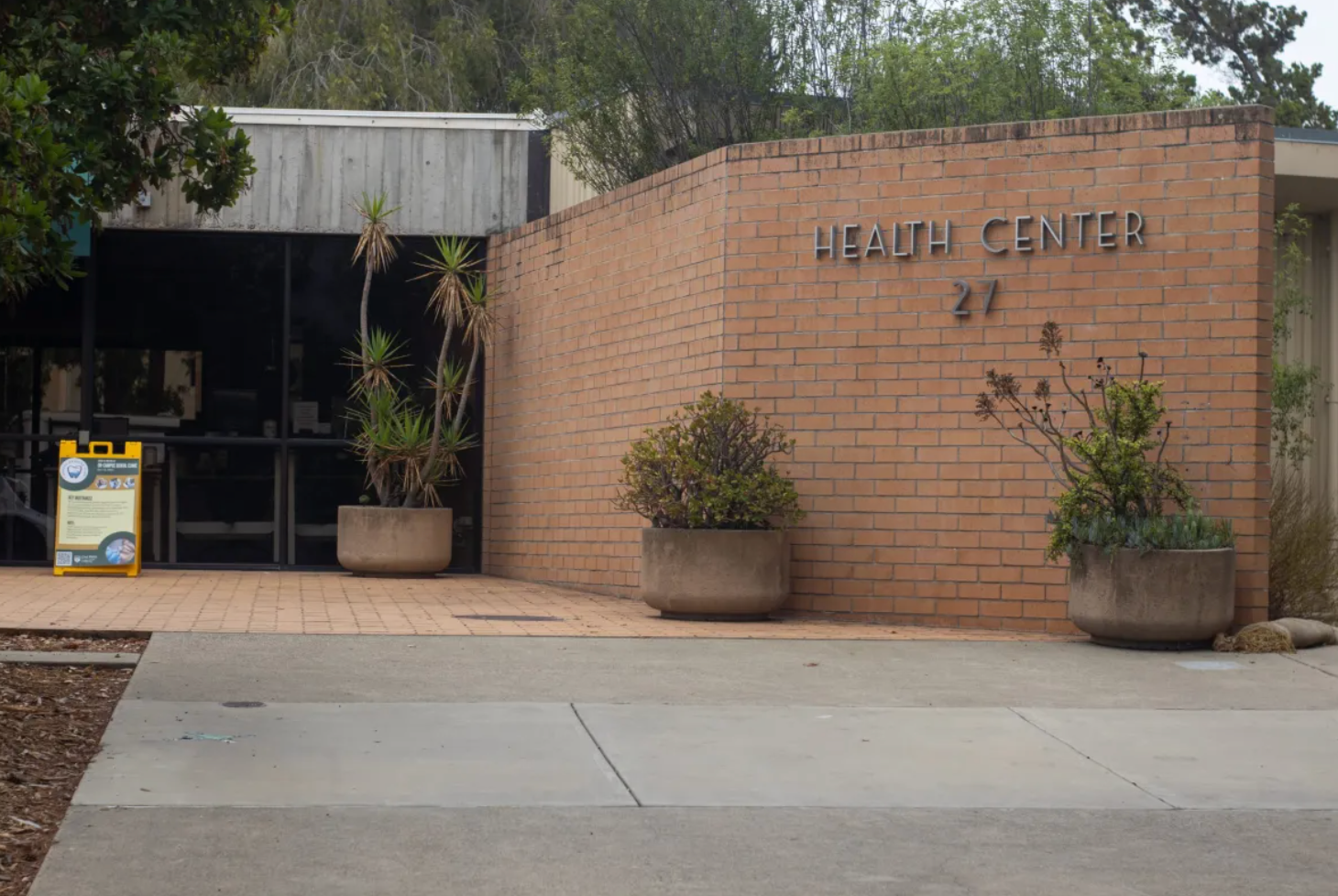
The exterior of the health center. Bia Sommers / Mustang News
February 2025: Cal Poly's mandatory fees rank first amongst Cal State campuses
A fee increase plan wanted to make Cal Poly more accessible. Two years later, financial aid gets 20% of fee revenue
Cal Poly has been a dream school for Jocelyn Vasquez since her freshman year of high school. But two quarters into the computer engineering program, she is rethinking following her dreams.
Vasquez had to pay $10,000 out of pocket to attend Cal Poly, and her parents are not helping her cover the costs of attendance.
“Although I have received a substantial amount of help at least for my circumstances, I feel like I still need more,” Vasquez said.
Cal Poly students, like Vasquez, pay the highest student-based fees in the Cal State system. For the 2024-25 academic year, some students pay $6,077, according to the Cal State Committee on Finance. This year, Cal Poly student-based fees are about $2,500 higher than the next most costly university — Cal Maritime.
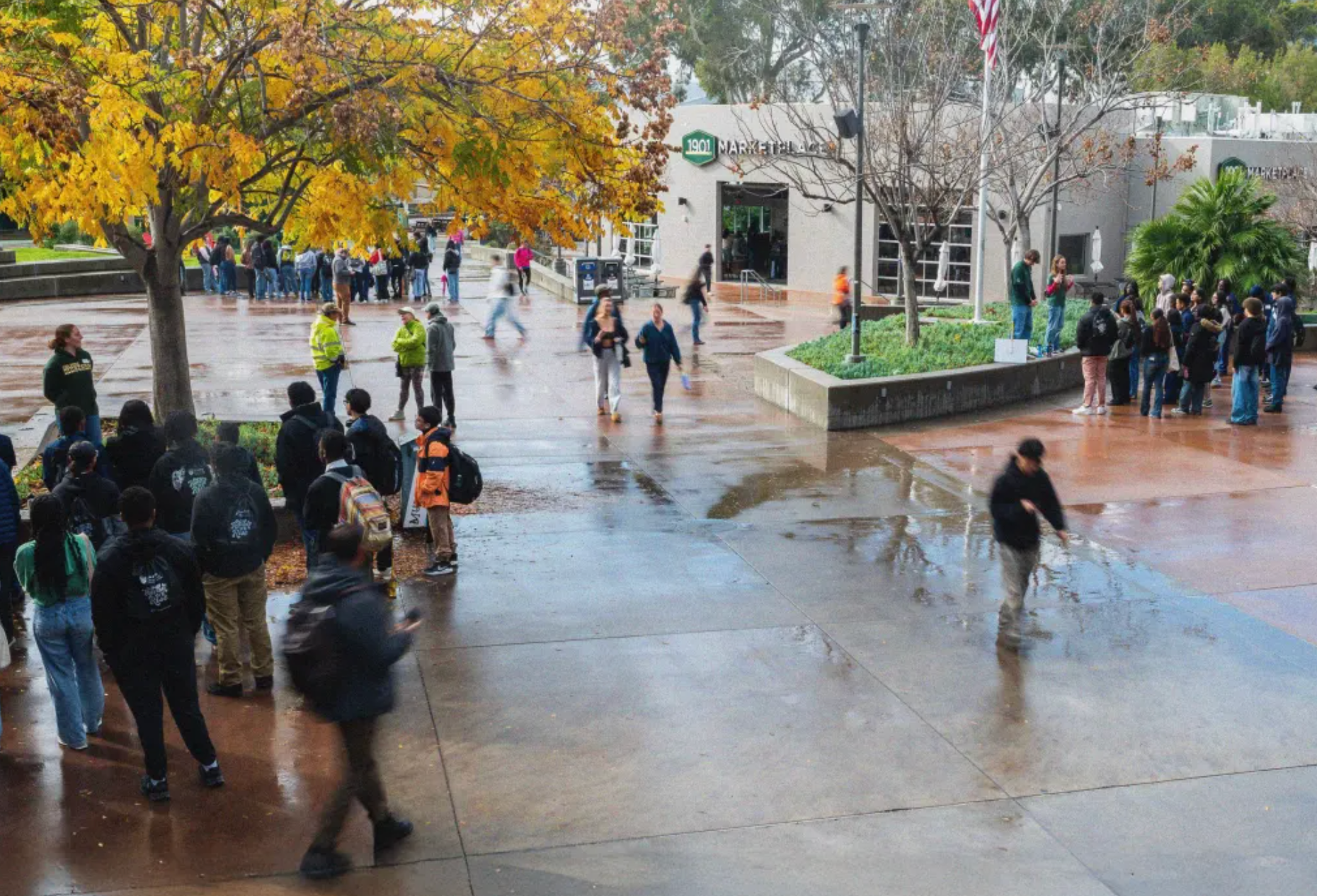
Cal Poly has the highest cost of attendance amongst all the institutions in the Cal State System – an estimated $36,579 this year for in-state students who live on campus, according to Cal State calculations. Sam Arrigoni / Mustang News
March 2024: Two Cal Poly professors saw a disconnect between science and Spanish. Here's how they're bridging the gap
Cal Poly biology professor Dr. Alejandra Yep's children went to Pacheco Elementary School – a school with a bilingual education program two miles from Cal Poly. Instruction in this program begins in 90% Spanish during kindergarten and progresses to 50% Spanish and 50% English by fourth grade.
Almost instinctively, Yep taught a lesson in Spanish – Spanish is her first language and the language she speaks to her kids. Just as her students learned from her, Yep gained new insight from them.
“One of the kids told me, ‘That was so much fun. I didn’t know that Spanish-speaking moms could be scientists.’” Yep said. “That’s the thing I couldn’t forget.”
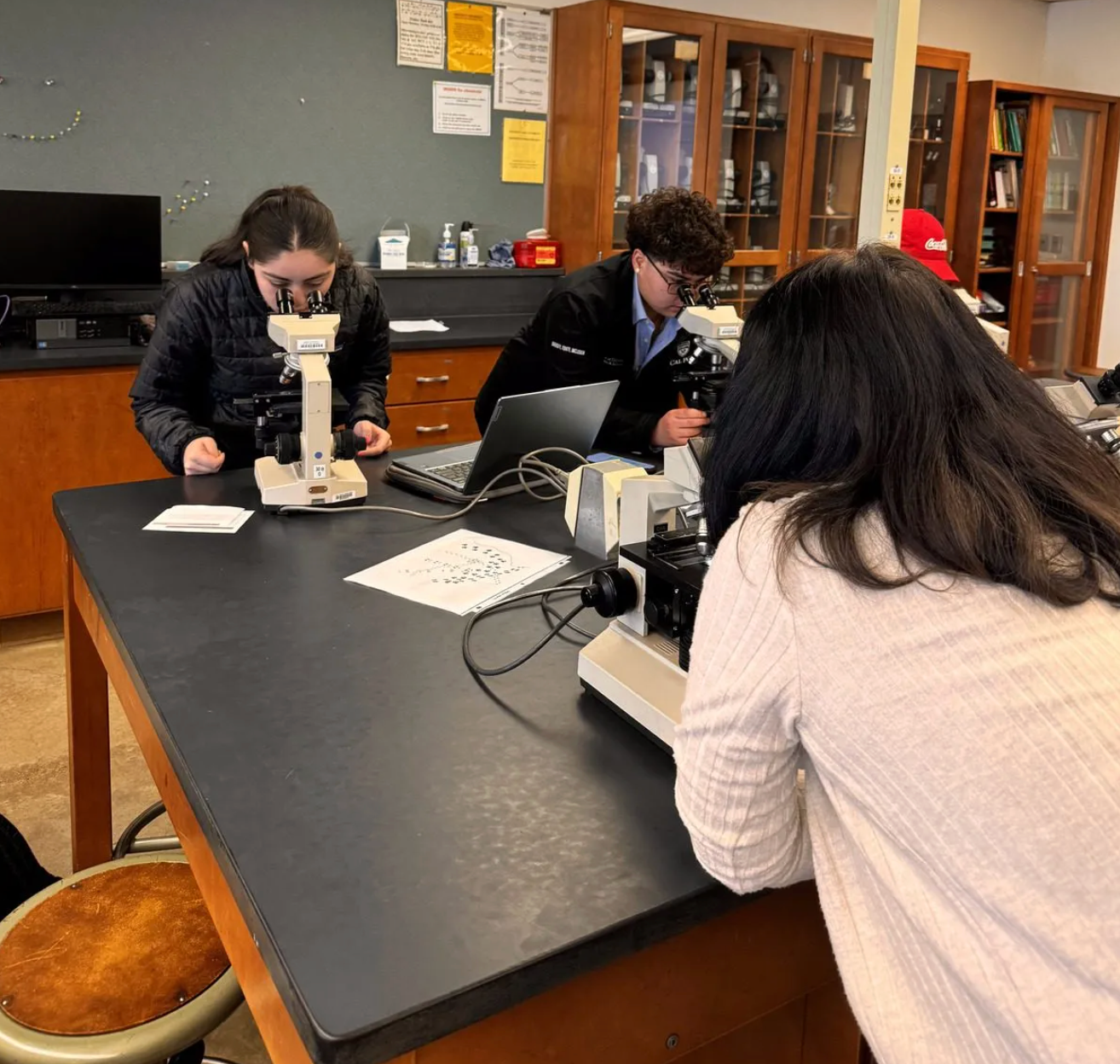
Biomedical engineering junior and native Spanish-speaker Natali Ceja started teaching as part of a BEACoN research role and later Nuestra Ciencia. Jeremy Garza / Mustang News